

Our Research
Our research meets the needs of modern organizations and their employees. Our main areas of study are work loneliness and relationships, team effectiveness, and employee well-being and success.
Featured Publications

Harvard Business Review
In recent years, the huge impact that work loneliness is having on healthcare costs, absenteeism, and turnover has received widespread attention. Despite growing awareness, the problem remains, with one in five employees worldwide feeling lonely at work. In this article, the authors debunk myths about work loneliness, such as the belief that in-person work or team assignments can solve the issue. They emphasize that loneliness is not just a personal problem but also an organizational one, influenced by the work environment.

Harvard Business Review
We’ve entered a new era of organizational life when, for the first time in history, people can turn to something other than a fellow human for conversation and support during the workday. They now can engage with AI. But how are employees using AI for social purposes? How is that usage affecting them? In our ongoing research we’ve been trying to answer those questions and understand where this new dynamic might take us in the future.

Frontline Workers Know How to Solve Your Organization’s Biggest Problems
Harvard Business Review
Frontline employees often know exactly what’s preventing organizations from performing at their best, yet traditional engagement surveys rarely uncover those insights or translate them into action.
Companies can close that gap by adopting a disciplined six-step process that combines structured interviews, targeted surveys, collaborative problem solving, and rapid experimentation. When leaders and frontline employees cocreate solutions—and measure their impact—they improve trust, strengthen engagement, and design work that delivers better outcomes for employees, customers, and the business.
Featured Report
INSTITUTE FOR LIFE AT WORK
Understanding and Addressing Work Loneliness
Research Report
October 14, 2024
Constance (Connie) Noonan Hadley, PhD
Institute for Life at Work
Boston University Questrom School of Business
Sarah Wright, PhD
University of Canterbury

Summary
We have studied work relationships for more than twenty years. Never have they been more important to the health of our economy – and to the health of our society. Unfortunately, work loneliness is a common occurrence in organizations. In 2024, Gallup found that 1 in 5 (20%) U.S. employees were lonely.
Lonely workers are likely to suffer major adverse health effects as well as experience lower job satisfaction, engagement, and productivity. Employers are estimated to lose billions of dollars a year as a result of workforce loneliness.
Despite pandemic-spurred attention to these issues, there is still more to learn about work loneliness. We designed our research study to answer these important questions:
What makes someone lonely while working? Who is more likely to become lonely? Why?
What can we do about it? How can organizations help?
Our main findings and recommendations are published in Harvard Business Review (HBR) in the article “We’re Still Lonely at Work: It’s Time for Organizations to Take a New Approach.”
This report provides additional statistics, quotes, and details that support and expand beyond the HBR article. We believe this information will be especially useful for journalists, advocacy groups, and other researchers who want more information about our study and findings. By publishing this data in an open-access format, we are also hoping to expand its reach and impact globally.
SURVEY TOOL
The Work Loneliness Scale
You can use this short survey to measure how lonely you feel while working.
Featured Interview
February 18, 2026
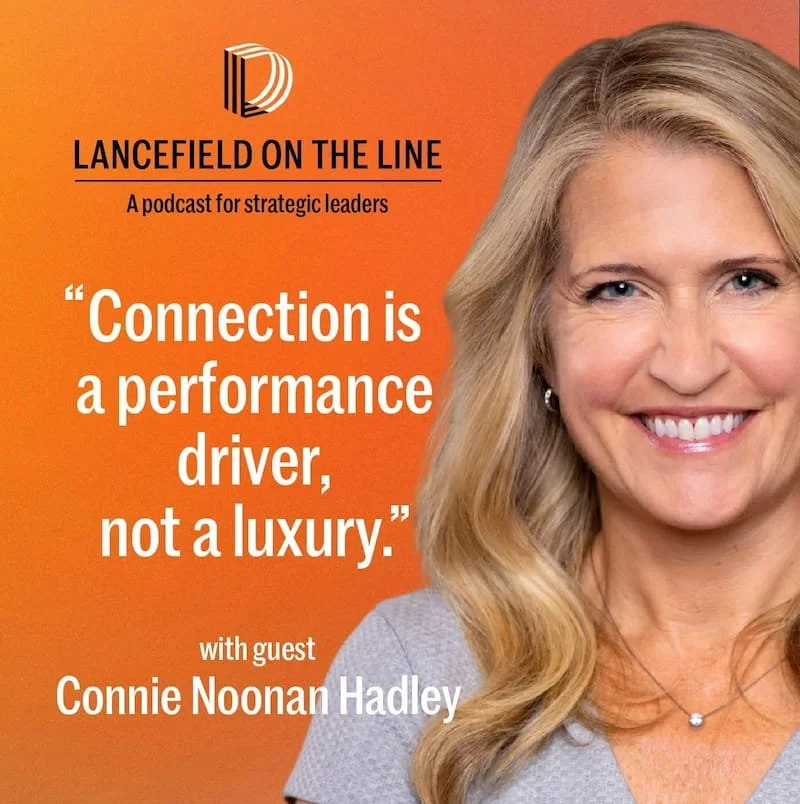
How to Overcome Loneliness at Work
Work Loneliness & Relationships
Building a Connected Workforce
At the Institute for Life at Work, we seek to uncover the complexities of workplace loneliness and foster meaningful connections in organizations.
Our research has revealed the detrimental effects of work loneliness and offers practical steps for mitigating its impact. It also highlights the value of relationships at work and provides practical advice for how to create a connected and inclusive community.
Employee loneliness
Social support
Relationship-building and connection
Work friendships
Social capital and networks
Role of AI in collaboration
Negotiation and conflict resolution
Research Question: What steps can organizations take to reduce employee loneliness and build a more connected workforce?
—with Sarah Wright, University of Canterbury (New Zealand)
Featured Report
INSTITUTE FOR LIFE AT WORK
How Team Rituals Can Enhance Life at Work
Research Report
January 2025
Marilyn Zakhour
CEO and Founder of Cosmic Centaurs
Constance (Connie) Noonan Hadley, PhD
Institute for Life at Work
Boston University Questrom School of Business
Maya Mahfouz, PhD
Summary
For the past two years, we have explored how team rituals impact employee well-being and team success. Our research surveyed 929 global office workers across 60 countries and included interviews with 68 leaders and 86 individual contributors and a field experiment with an advertising agency in the Middle East. Additionally, we drew on extensive experience helping teams and organizations implement rituals.
Our research shows that the more rituals a team engages in regularly, the higher their members’ engagement metrics. Our survey found those working on teams with high levels of rituals felt 23% more committed to their team’s purpose, experienced a 20% boost to their levels of psychological safety, achieved 28% greater interpersonal knowledge, and reported 22% higher job satisfaction, compared to those with low levels of rituals.
However, many teams struggle to develop and maintain effective rituals. Drawing on our data and real-world experience, we offer practical guidance for team leaders to create rituals that are meaningful, adaptable, and sustainable.
This report complements our Harvard Business Review article and provides additional insights, data, and examples. It is designed to support journalists reporting on workplace dynamics, as well as researchers and organizational leaders seeking to foster purpose and satisfaction in their teams through the power of rituals.
Team Effectiveness
Building Out the Best in Teams
As the nature of work evolves, so do the dynamics of teamwork. At the Institute for Life at Work, we are dedicated to unraveling the complexities of hybrid and remote teamwork in today's digital age.
Our research looks at the unique challenges and opportunities of distributed work environments, aiming to equip organizations with insights to foster collaboration and connection among team members, regardless of their physical location.
In-person, hybrid, and remote teamwork
Team design
Team effectiveness
Conflict resolution
Meeting management
Research Question: How do team rituals increase a sense of purpose and satisfaction at work?
— with Marilyn Zakhour and Maya Mahfouz, Cosmic Centaurs
Research Question: How does generative AI affect cross-functional teamwork, innovation, and performance?
— With Kate Kellogg, MIT Sloan, Fabrizio Dell'Acqua, Karim Lakhani, and Hila Lifshitz, Harvard Business School
Employee Well-Being & Success
Keys to a Healthy Work Life
At the Institute for Life at Work, we aim to uncover strategies that foster both personal fulfillment and professional accomplishment.
From understanding the dynamics of burnout to identifying factors that help employees feel psychologically safe, our research seeks to equip organizations with knowledge and tools to create supportive and thriving work environments.
Psychological safety and trust
Mental health and well-being at work
Burnout
Employee engagement
HR and talent management
Leadership
Organizational culture